
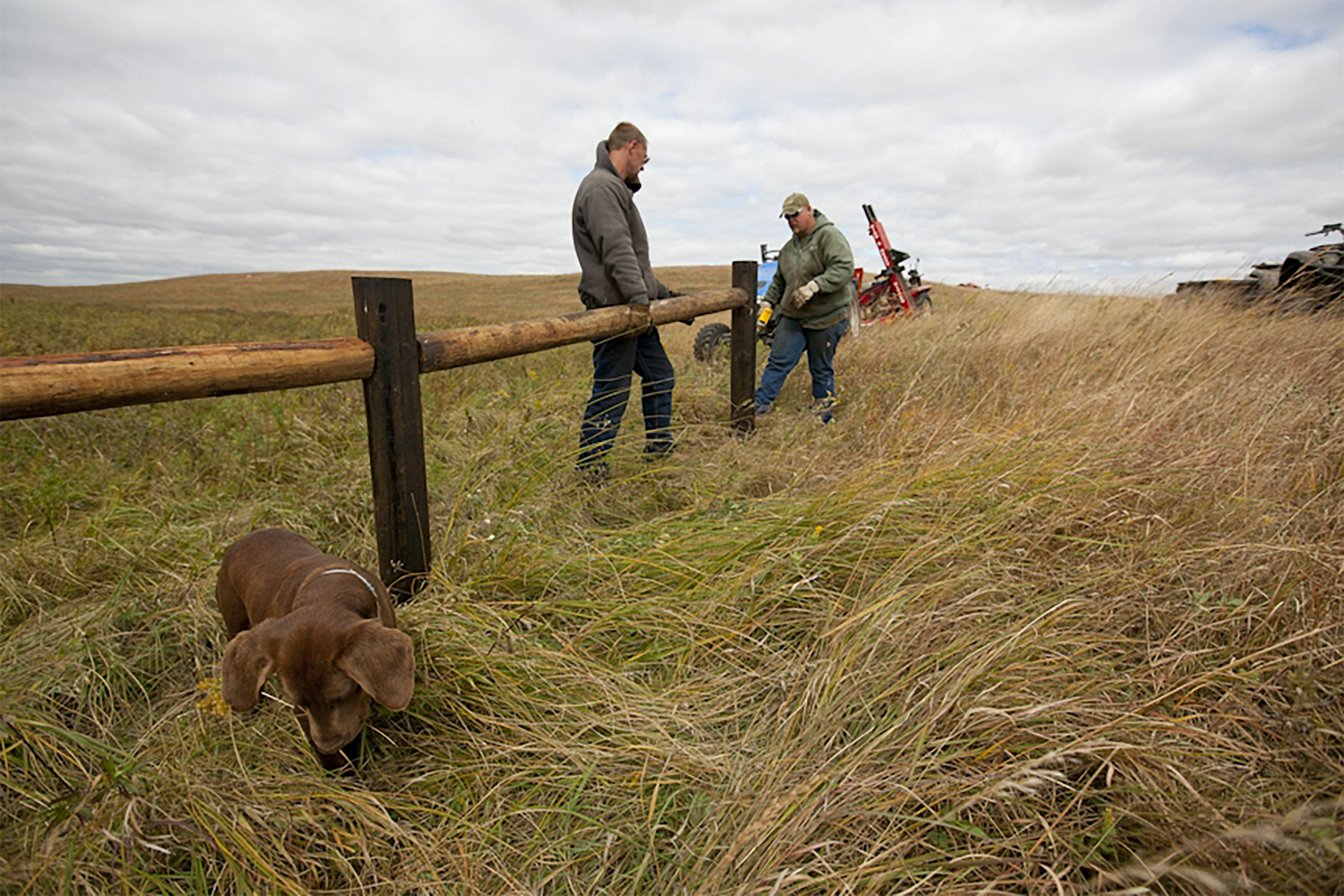
Across the Prairie Pothole Region, The Nature Conservancy (TNC) works with partners, agencies and landowners to restore prairies, wetlands and working lands that support wildlife and communities. “Spanning multiple states and a mix of land ownership, communities and funding sources, conservation in the Prairie Pothole Region can’t happen alone,” said Rachel Bush, TNC’s grassland strategy director for Minnesota, North Dakota and South Dakota.
“Collaboration is at the heart of everything we do.”
– Rachel Bush
One example is the Northern Tallgrass Prairie National Wildlife Refuge, established by the U.S. Fish and Wildlife Service (USFWS) in 2000 to slow the decline of native tallgrass prairie in Minnesota and Iowa. Since 2013, TNC has partnered with USFWS to add 9,000 acres to the refuge using Minnesota’s Outdoor Heritage Fund dollars. Together, they help landowners secure conservation easements and restore habitat—keeping land in private hands while benefiting wildlife.
Science also drives TNC’s work. For nearly 20 years, TNC, state and federal partners have completed more than 8,000 surveys across 218 grassland sites to study how management practices like controlled burns and grazing impact prairie health. The data are available to land managers and help inform strategies that maintain native species and improve habitat quality.
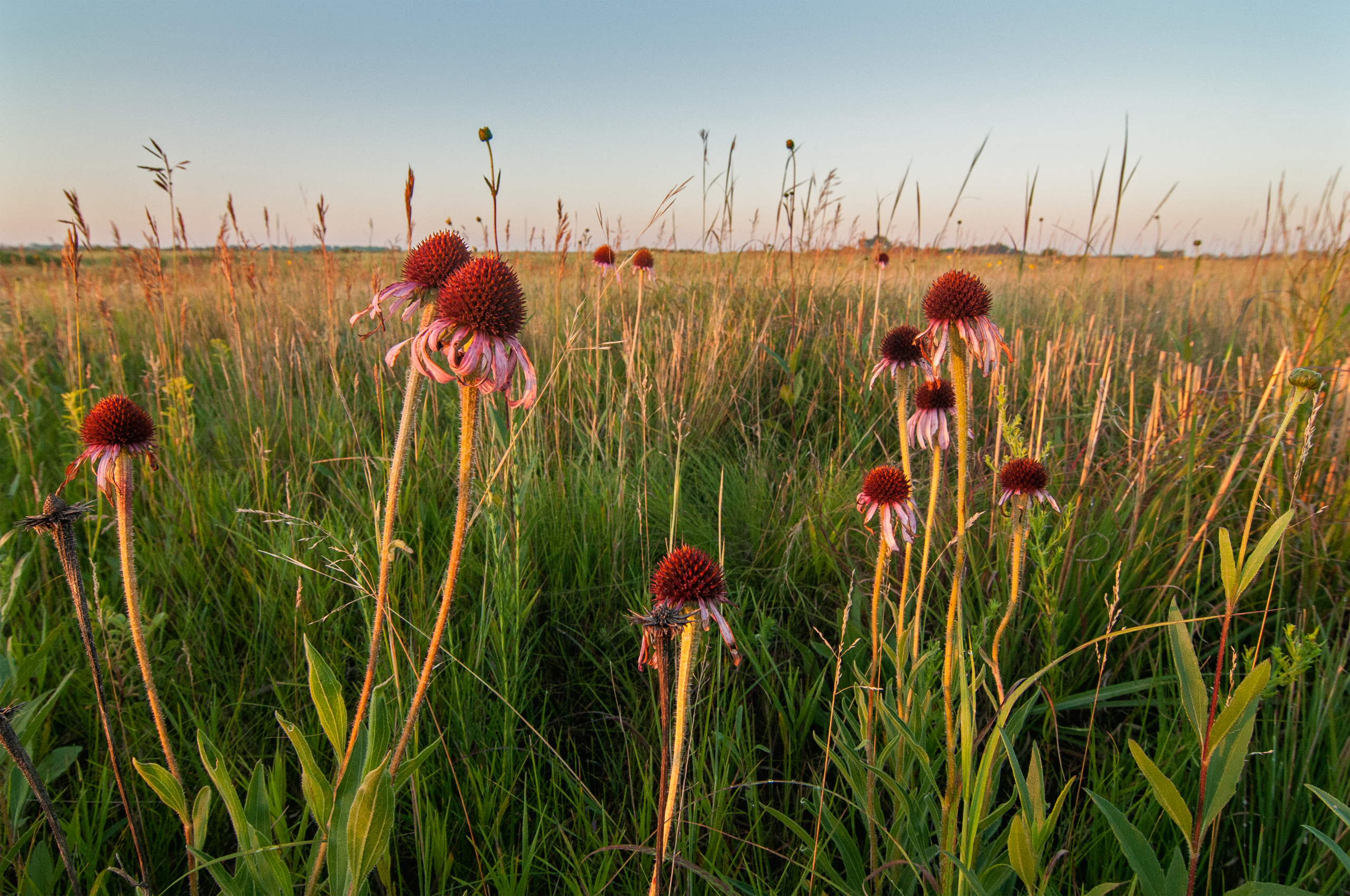

In South Dakota, TNC has helped conserve more than 100,000 acres of prairie and wetlands through voluntary conservation easements with USFWS. These agreements allow landowners to keep working lands productive while supporting species like mallards, meadowlarks, and monarch butterflies. Due to the program’s popularity, TNC added staff to help enroll more interested landowners in the program.
Partnerships extend to public lands as well. Through the Minnesota Prairie Recovery Program, funded by the Outdoor Heritage Fund, TNC has enhanced more than 215,000 acres of prairie, restored more than 2,700 acres, and permanently protected more than 8,000 acres. Enhancement activities include invasive species removal, conservation grazing, controlled burns, and native seeding—all aimed at boosting native species diversity and improving critical wildlife habitat.
From science to on-the-ground restoration, TNC’s collaborative approach ensures lasting conservation impact across the Prairie Pothole Region, protecting prairies and wetlands now and for generations to come.