News

The PPJV publishes a quarterly e-newsletter called the Pulse of the Prairie. Sign up for our mailing list to learn about prairie conservation, birds, science, Joint Venture activities, upcoming events, and more!

Featured Story

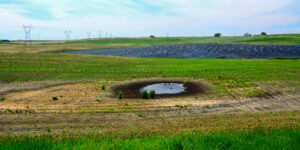
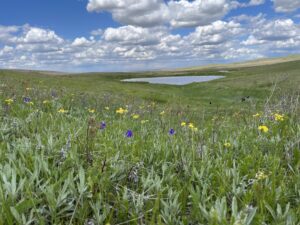
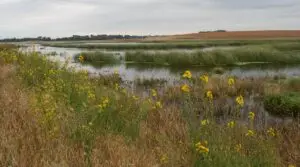
Periodic dry phases help recharge prairie wetlands and create productive habitat for ducks and other wildlife. Photo: Rick Bohn / USFWS Key takeaway: Duck productivity depends on fluctuating wetlands. The wet-dry phases of a prairie wetland act like a reset button, helping to recycle nutrients, grow plants, produce insects, and create the food and

Keep In Touch

Keep up with the latest news on bird and habitat conservation efforts across the Prairie Pothole Joint Venture!

More News

Training the Next Generation of Conservationists

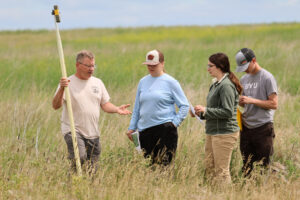
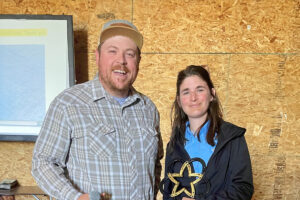
Steve Spawn demonstrates wetland restoration techniques with Madison Wetland Management District employees during a day in the field. South Dakota Partners for Fish and Wildlife (PFW) biologist Steve Spawn recently headed to the field, not to meet with a private landowner, but to provide hands-on wetland restoration training to habitat technicians and a group of

Read More »

JV8 Central Grasslands Conservation Initiative Unveils New Website

January 23, 2026 — The JV8 Central Grasslands Conservation Initiative is excited to announce the official launch of its newly redesigned website, now live at JV8.org. The JV8 Central Grasslands Conservation Initiative is a long-term collaborative effort by eight Migratory Bird Joint Ventures (JVs) working together to implement grassland conservation from Mexico to Canada. The

Read More »

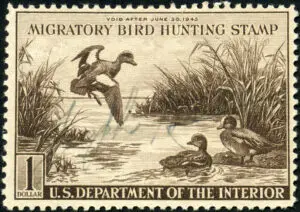
Small Art, Big Impact: Igniting Conservation Across Borders

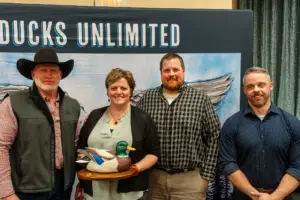
Every spring, the Prairie Pothole Region (PPR) teems with duck calls and wings splashing on water. Shallow ponds glisten amidst rolling grasslands and farmlands, filled with waterfowl returning from the south to nest and raise their young. Spanning Montana, the Dakotas, Minnesota, Iowa, and southern Canada, the PPR is often called the cradle of North

Read More »

Four Square Mile Survey

The Four-Square Mile Breeding Waterfowl Survey (FSMS) is a targeted, long-term monitoring initiative established by scientists from the USGS Northern Prairie Wildlife Research Center to assess the contribution of National Wildlife Refuge System land in the U.S. Prairie Pothole Region (US-PPR). Initiated in 1987 and managed by the U.S. Fish and Wildlife Service’s (USFWS) Habitat

Read More »

Restoring Minnesota’s Wetlands

Minnesota’s wetland restoration efforts are working to address the loss of critical habitat across the Prairie Pothole Region, with key projects at Butler Lake, Moore Slough Wetland Protection Area (WPA), and Herberger Lake Wetland Management Area (WMA). These initiatives, driven by partnerships among federal agencies, non-government conservation organizations, and private landowners, restore vital ecosystems that

Read More »

The Nature Conservancy Reaches 1 Million Acres of Land and Water Protected across Minnesota, North Dakota, and South Dakota with Partners

Thanks to the help of partners and supporters, TNC has reached a major milestone in conservation. The Nature Conservancy (TNC)—a conservation organization committed to building a future where both people and nature thrive—announced a significant milestone: 1 million acres protected across Minnesota, North Dakota and South Dakota. For more than 65 years, TNC’s Minnesota, North

Read More »

Prescribed Fire Rejuvenates Pollinator Plots and Private Land Habitat (video)

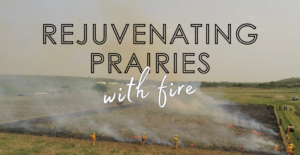
https://youtu.be/rBgGYeEyxho The U.S. Geological Survey at Northern Prairie Wildlife Research Center (NPWRC) has a robust history of studying pollinators and pollinator habitat demonstration plots to illustrate the multiple benefits these lands provide. Like our native prairies, pollinator habitat requires active management to thrive – without proper management, the ecological and economic value of the habitat

Read More »

Making a Modern-Day Treasure Map: the Hunt for the Dakota Skipper

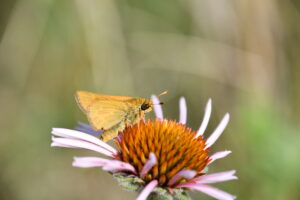
The Dakota skipper is a small, threatened butterfly endemic to the northern Great Plains that is emblematic of undisturbed native mixed-grass and tallgrass prairie. It was first proposed for listing in 1978 due to population declines and range contraction from habitat loss and degradation, and in 2014 was listed as threatened under the U.S. Endangered

Read More »

Welcoming Lauri Hanauska-Brown, Our New JV Coordinator

The PPJV is excited to announce that Lauri Hanauska-Brown has been selected to take up the mantle as the JV Coordinator after a monthslong search. With the PPJV partnership celebrating its 35th Anniversary in 2022, the coordinator plays a vital role in keeping this conservation engine running. Hanauska-Brown joins the team in a period of

Read More »