Key takeaway: Duck productivity depends on fluctuating wetlands. The wet-dry phases of a prairie wetland act like a reset button, helping to recycle nutrients, grow plants, produce insects, and create the food and cover ducks need to survive.
Wet-dry rhythms supercharge wetland productivity: Drying and refilling phases help create the food and cover ducklings need.
Conservation should consider wetland function: Seasonal and semi-permanent wetlands that occasionally dry up are especially important for healthy duck broods.
Land conversion can weaken wetland dynamics: Converting grasslands to cropland, draining wetlands, and moving water from smaller wetlands into larger ones can stabilize water levels, reduce natural wetland function, and lower habitat quality for ducks.
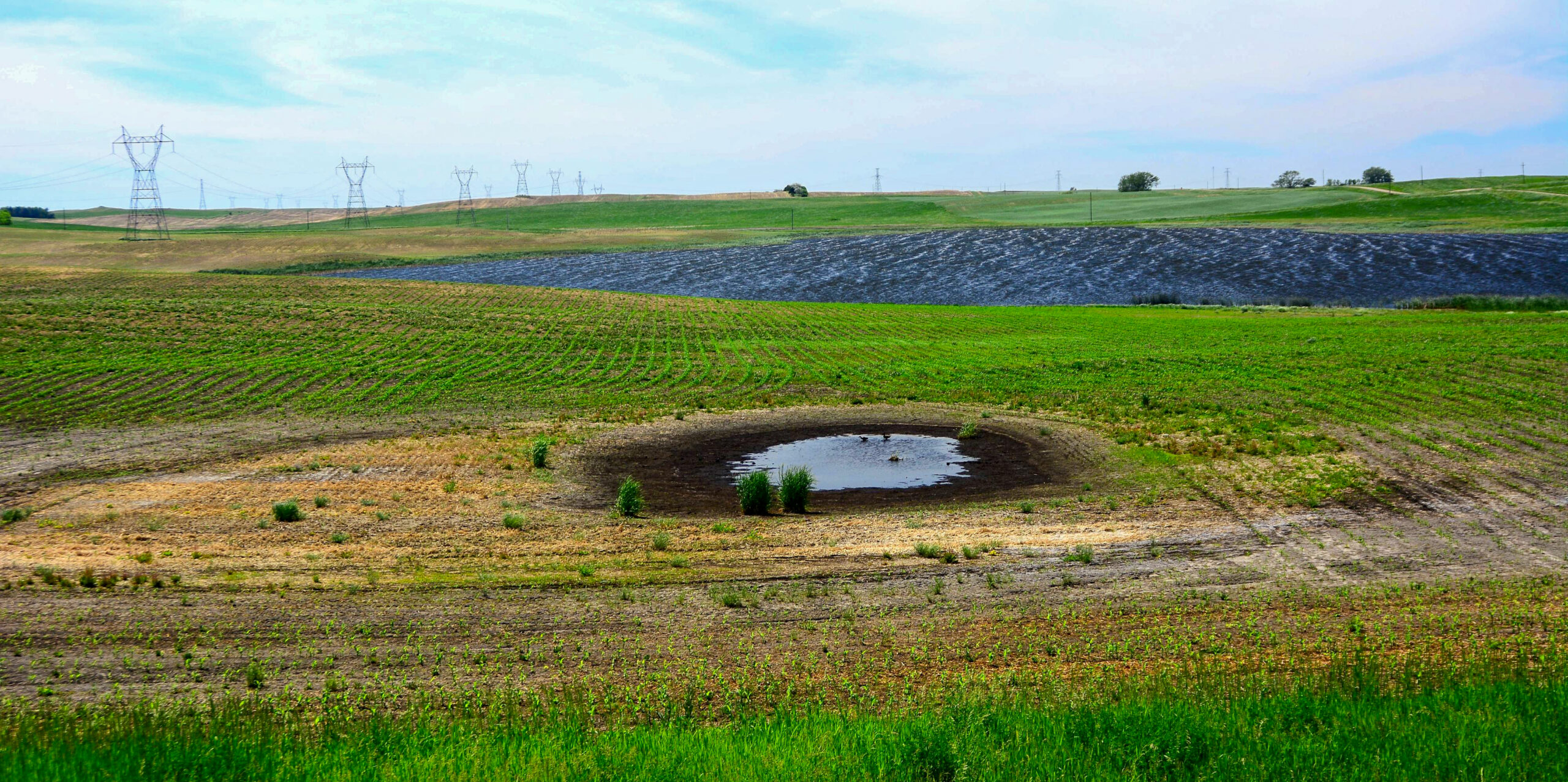
The natural cycle of a wetland includes dry periods that allow nutrients to re-stock the fridge for wildlife. Timelapse footage from Platte Basin Timelapse
Research Behind This Article: Wetland hydrologic dynamics and duck productivity are declining in the Prairie Pothole Region, and they are linked- Mike Anteau et al.


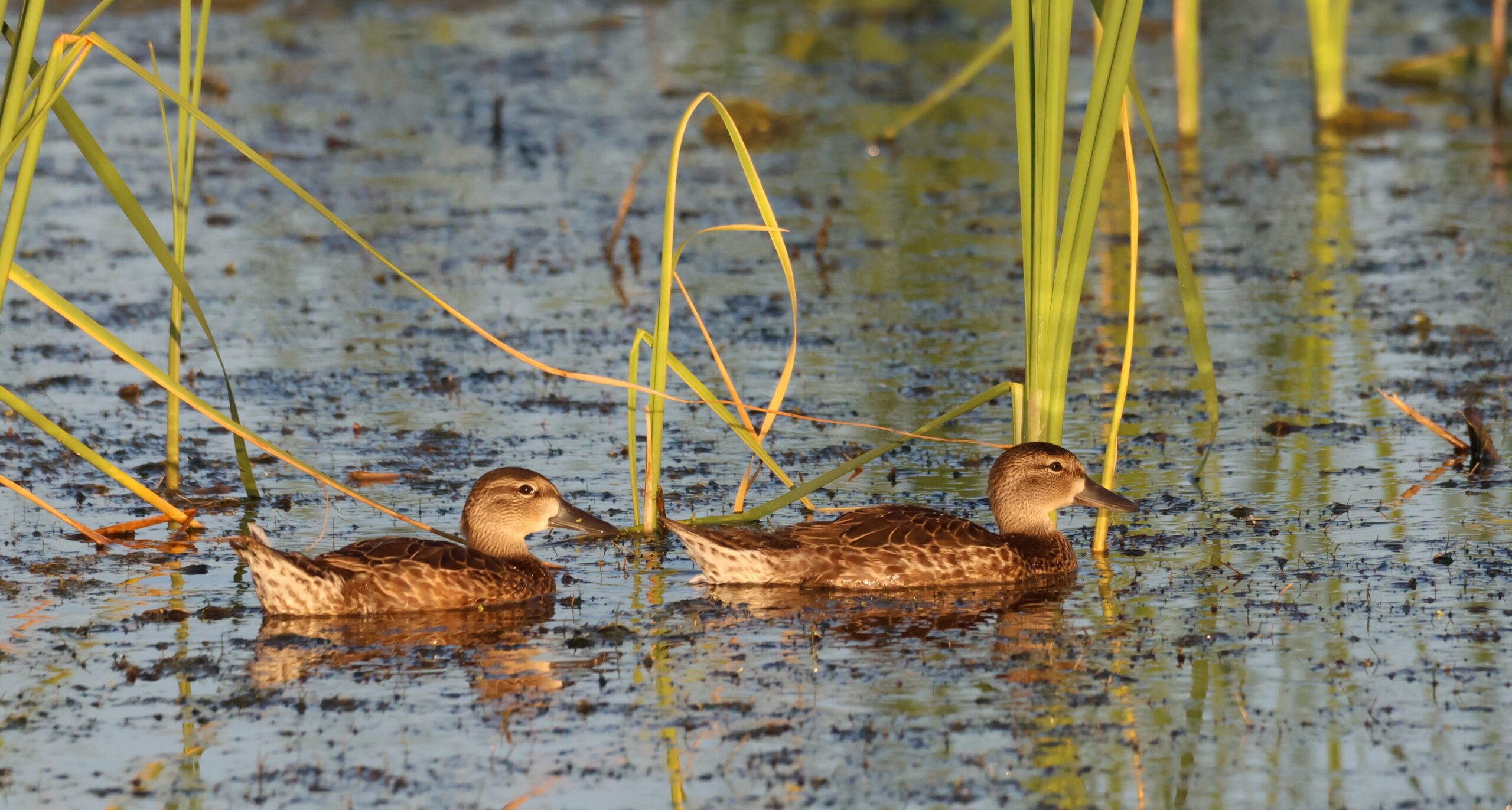

Photos: Sandra Uecker / USFWS
The Prairie Pothole Region is often called North America’s “Duck Factory” because it produces more than half of the continent’s breeding ducks. This study shows that the health of that system depends not only on how many wetlands hold water in spring, but also on whether those wetlands maintain their natural wet-dry rhythm. “Wetland dynamics” refers to the natural pattern of water levels rising and falling, and of wetlands drying out and refilling over time. Researchers found that from 1976 to 2019, the number of wetlands holding water in the spring generally increased, but their water levels became more stable and they were less likely to dry and refill. Duck productivity also declined during this period for gadwall and redheads, two species that depend heavily on prairie wetlands.
Healthy wetlands experience changing water levels. Timelapse footage from Platte Basin Timelapse
Did you know a dry wetland is still a wetland? Dry periods are an important part of a wetland’s natural rhythm. When a wetland dries, nutrients are recycled and seeds in the soil are exposed to sunlight. When water returns, the seeds sprout and new plants and insects grow. This gives ducklings the food and protective cover they need to grow and survive. Dry periods for a wetland provide an opportunity to restock the fridge. Semi-permanent wetlands—wetlands that usually hold water longer than shallow seasonal wetlands—are especially important in July and August, when duck broods need reliable habitat. These deeper wetlands provide food, open water, and plants that grow above the water and offer cover.
The problem has been easy to miss because the region has experienced a long wet period. More water in the spring made conditions look good on paper, and duck populations even reached high levels in some recent years. But abundant wetlands masked a deeper issue: water levels were becoming too stable, so wetlands were not drying and refilling as often. As this natural rhythm weakened, fewer ducks were produced. Converting grasslands to cropland, draining small wetlands, or combining their water into larger wetlands can interrupt the way water naturally moves across the landscape. As a result, some wetlands may stay too wet or refill in ways that reduce their natural productivity.
For waterfowl, this can mean fewer young ducks entering the population as important wetland functions decline. For landowners and the public, it highlights the value of protecting grasslands, limiting drainage and wetland consolidation, and conserving whole watersheds so wetlands continue to function naturally.
Cover Photo: Rick Bohn / USFWS