South Dakota: Conserving Private Lands

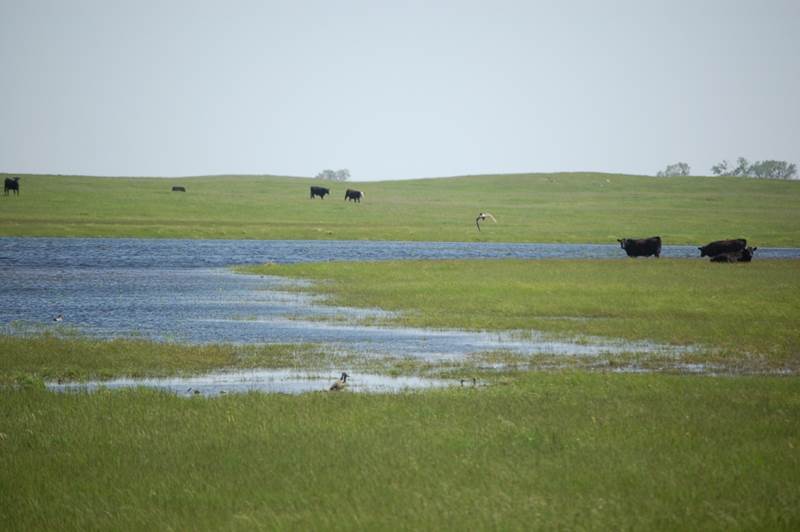
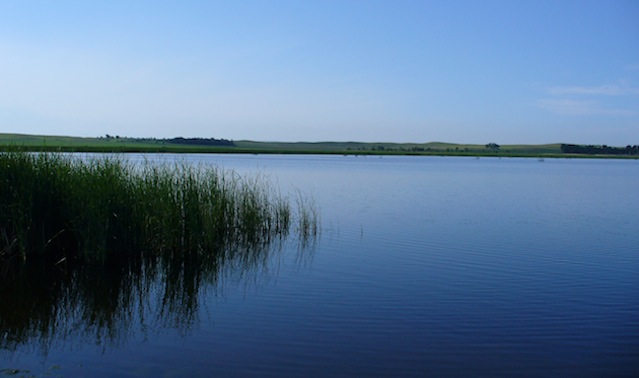
South Dakota Department of Game, Fish, and Parks (GFP) have had a long and highly successful history working with private landowners to develop wetland and grassland habitat within the PPJV. GFP private lands staff works cooperatively with farmers and ranchers to better manage wetland and grassland habitats through the department’s Wetland and Grassland Habitat Program. … Read more
Montana: Conserving the Hi-Line

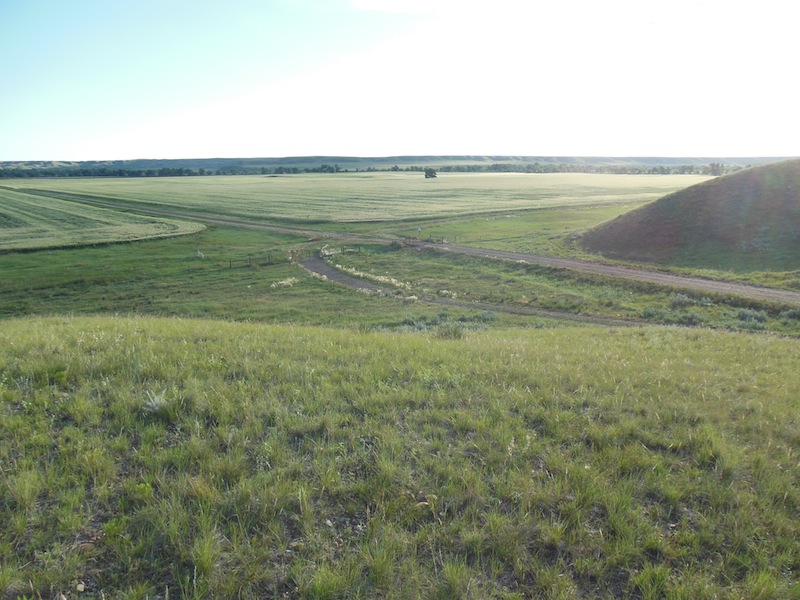
Conservation partners in the Prairie Pothole Region of Montana, also referred to as the “Hi-Line”, have been delivering conservation for almost 30 years. Over the last 19 years, five NAWCA grants have been secured, and the partnership including the US Fish and Wildlife Service (USFWS), Montana Fish, Wildlife, and Parks, The Nature Conservancy, Ducks Unlimited, … Read more

Montana: Breeding Shorebird Project

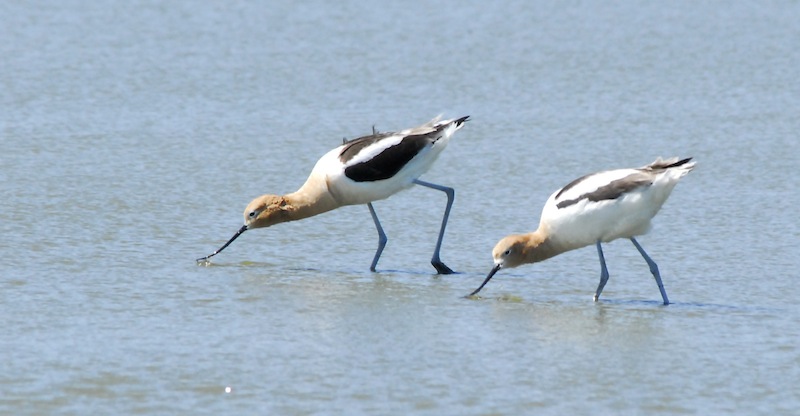
Populations of several species of breeding shorebirds in the PPR appear to be experiencing long-term declines. Marbled godwit, long-billed curlew, willet, Wilson’s phalarope, and American avocet are all listed as priority species by Partners in Flight or the U.S. Shorebird Plan. Montana is an important state for these species so to gain a better understanding … Read more

A Tool for Partners: The PPJV Fact Sheet

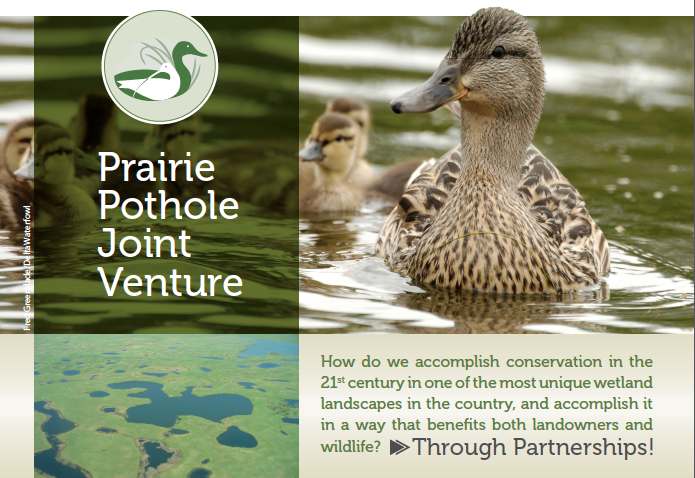
The fact sheet introduces the region, the Joint Venture, its solid science, its commitment to prairie conservation, the involvement of landowners, and the conservation benefits of the Joint Venture’s work. These fact sheets are designed to be a resources for PPJV staff, Management Board, Technical Committee, and partners. Use them to explain the Joint Venture … Read more

Revising the PPJV Implementation Plan

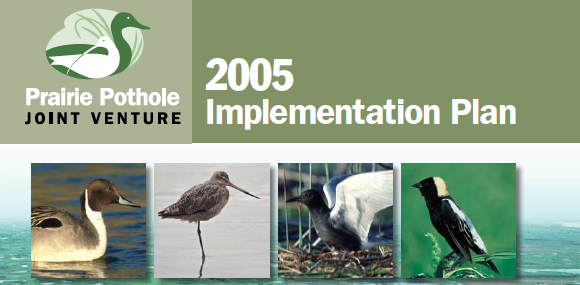
The backbone of each migratory bird joint venture is its implementation plan. The plan guides the actions and investments taken by the joint venture. The most recent PPJV plan is from 2005. We delayed revising our plan for several reasons, including a desire to see how climate change research evolved and to allow the revision … Read more

Minnesota Benefiting Pollinators

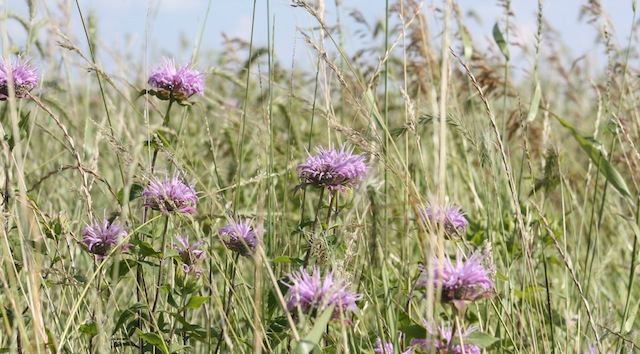
In 2013, the Minnesota Legislature passed legislation (H.F 976) that included directives requiring the Minnesota Department of Natural Resources (DNR) to establish a pollinator habitat program. The legislation grew out of concern from commercial beekeepers witnessing catastrophic bee losses. As the legislation evolved and discussions continued, those involved realized it was more than just commercial … Read more

Partner Profile: South Dakota Dept. of Game, Fish, and Parks

South Dakota Department of Game, Fish, and Parks (SDGFP) has a long and highly successful history of working with private landowners to develop wetland and grassland habitat within the PPJV. As an active partner within the PPJV, SDGFP recognizes that the majority of wildlife habitat is held by private landowners, making successful partnerships with producers … Read more

Closing Out and Looking Ahead

As we wrap up another year, I trust you can look back on 2014 and identify a number of things for which you are thankful. I hope the top of your list includes your health, family, and friends! Then, may you reflect on your 2014 career accomplishments and feel a sense of pride and fulfillment. … Read more

A New Face to the PPJV Website

PPJV is proud to announce that our newly renovated website is live at www.ppjv.org! This website presents a fresh new face for the Joint Venture and highlights the urgent need for conservation in the region. Additionally, it demonstrates the value of this strong partnership of dedicated conservationists. The website was designed following the guidance of … Read more

Quantifying the Extent of Human-modified Landscapes

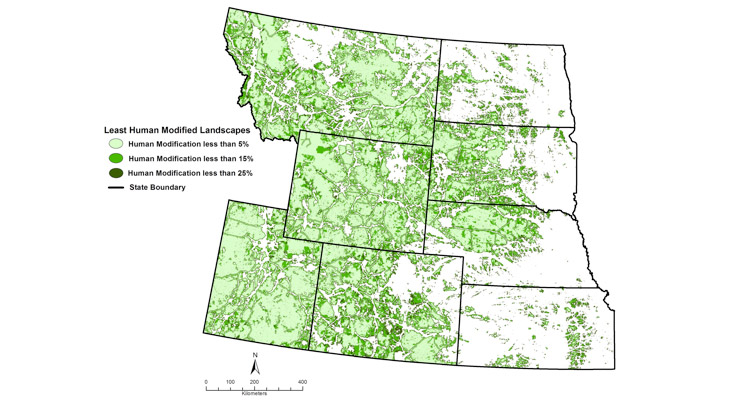
Conservation agencies such as the United States Fish and Wildlife Service (Service) aim to protect, enhance, and/or restore function to ecosystems to maintain viable populations of terrestrial and aquatic wildlife, fisheries, and plants. However, the effectiveness of conservation actions to yield desired population outcomes within a particular ecosystem may be influenced by the degree and … Read more

A Closer Look at the Duck Stamp””

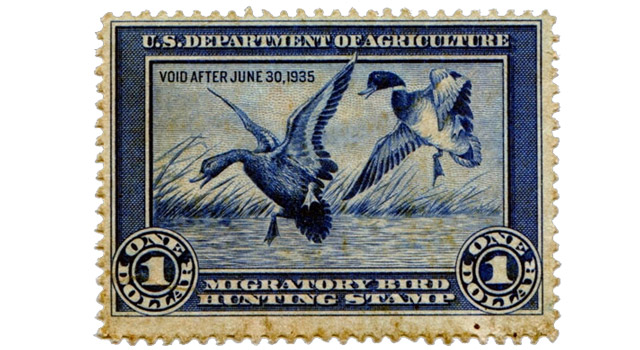
In March 1934, when FDR signed the bill to create the Duck Stamp, there were probably few folks who realized how crucial Stamp funding would become over the next 80 years. While the Migratory Bird Hunting and Conservation Stamp – as the Duck Stamp is officially called – is a functional Federal license for waterfowl … Read more

Partner Profile: Pheasants Forever

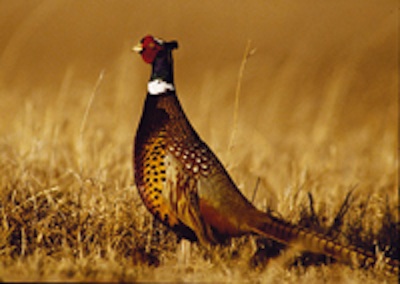
With a tagline of “The Habitat Organization” Pheasants Forever works with landowners and partners across the Prairie Pothole Joint Venture to protect critical grassland and wetland habitats that benefit a wide variety of migratory and resident wildlife including waterfowl and pheasants. Throughout the PPJV, when one does wetland and grassland conservation, the focal species within … Read more